Learning Styles and Modern Teaching
How Online Education is Redefining the Classroom
Every learner is unique. Some grasp concepts by listening, others by seeing, doing, or reading. Yet, despite this diversity, conventional schooling often delivers a one-size-fits-all model – a method that favors a few learning styles while unintentionally leaving others behind. Understanding learning styles and adapting teaching methods accordingly is no longer a luxury; it’s a necessity in creating truly inclusive and effective education.
It is important to understand the main Learning Styles.
Auditory Learners learn best through listening, whether it’s a lecture, discussion, or audio recording. They tend to remember tone, rhythm, and spoken explanations more easily than written ones. Teaching Tip for this type of learners require to incorporate verbal instructions, discussions, and audio resources to engage auditory learners. Podcasts, oral quizzes, and storytelling can help them thrive.
Visual Learners absorb information through seeing. Charts, infographics, videos, and visual cues help them connect ideas quickly. Teaching Tip for this type of learners necessitate use diagrams, slides, color coding, and mind maps. Visual representation of concepts helps these learners build stronger mental connections.
Kinesthetic Learners are the “hands-on” learners. They learn best through movement, experiments, and physical engagement. Teaching Tip for this type is to integrate practical tasks, models, interactive activities, and real-life simulations into lessons. Kinesthetic learners benefit when they can “do” rather than “listen.”
Reading/Writing Learners prefer to interact with text. Reading detailed explanations, taking notes, and writing reflections help them process information effectively. Teaching Tip for this type is to provide written material, self-paced reading modules, and opportunities for reflective writing and summarization.
Traditional classrooms often prioritize auditory and reading/writing learners, with lessons centered on lectures and textbooks. Visual and kinesthetic learners, however, may struggle to stay engaged or fully comprehend abstract concepts without supportive tools or interactive experiences.
This imbalance can lead to disengagement, low confidence, and uneven performance not because of a lack of ability, but because their learning style isn’t being met.
Moreover, large class sizes and rigid curriculums make it difficult for teachers to personalize learning experiences. Students who could excel through visual aids, movement, or discussion often find themselves confined to the limits of a lecture and note-taking system.
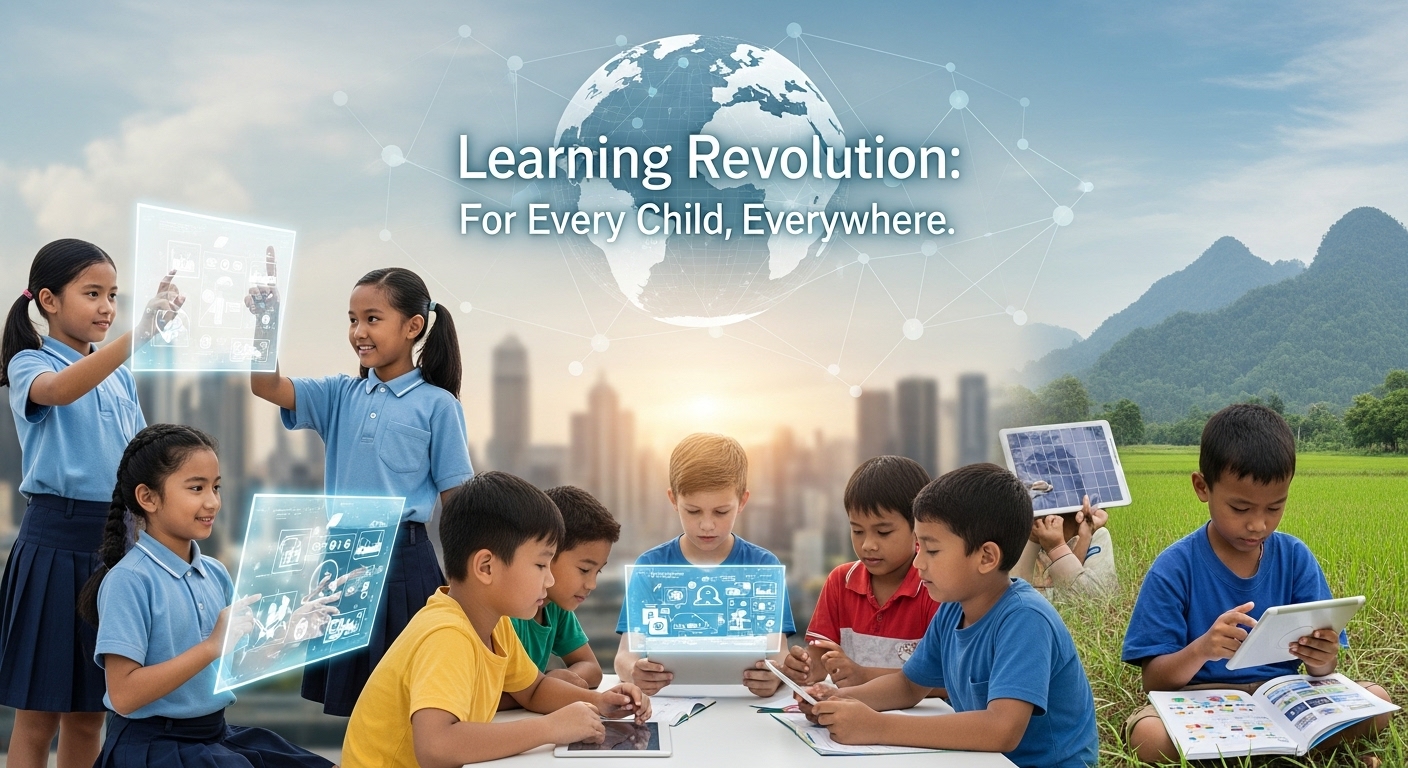
Innovative online learning platforms, like V Online School, are transforming education by building structures that recognize and respond to every learning style.
- For Auditory Learners video lectures, recorded sessions, and interactive discussions allow students to listen and replay lessons at their own pace.
- For Visual Learners high-quality visuals, animations, and interactive dashboards make abstract ideas tangible.
- For Kinesthetic Learners simulations, drag-and-drop exercises, and project-based modules create hands-on engagement even in a digital space.
- For Reading/Writing Learners comprehensive study notes, downloadable materials, and self-assessment quizzes reinforce learning through text and reflection.
By combining these approaches, online learning doesn’t just replicate the classroom it enhances it. Learners can engage with material in ways that match their strengths while improving in other styles through exposure to multiple formats.
The future of education lies in Adaptability. When teaching methods adapt to learning styles, students become more confident, motivated, and capable of retaining knowledge. Platforms that integrate auditory, visual, kinesthetic, and reading/writing approaches are not only teaching content but also teaching students how they learn best.
V Online School stands as a model for this vision; a structured, Inclusive system designed to meet the learning needs of every student, ensuring that no child is left behind simply because they learn differently.

You may also like
Reaching the Unreached

Special Educational Needs (SEN)